
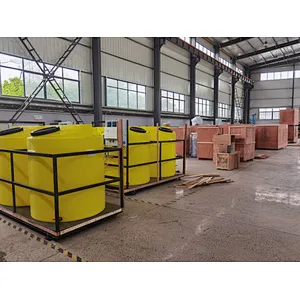
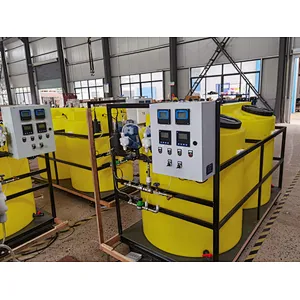
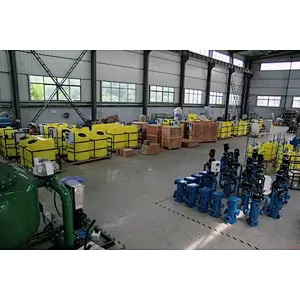
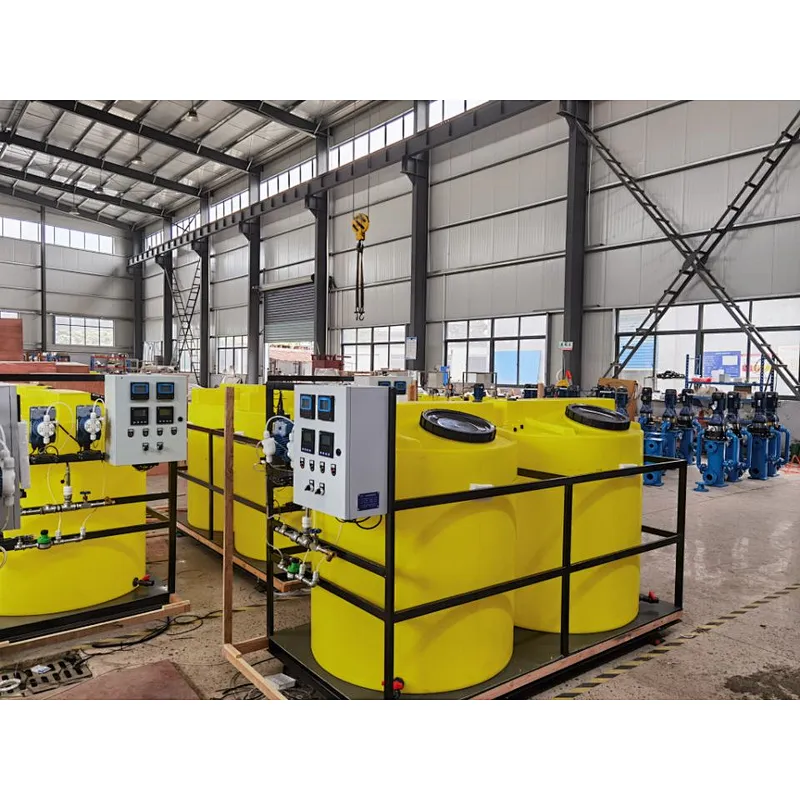
Automatic dosing deviceAutomatic dosing system Application of chemical dosing system in the cooling water system
I. Automatic dosing device dosing plant Common problems of cooling water system
1.Corrosion
Cooling water systems are an ideal environment for the reversion of the metal to the original oxide state. This reversion process is called corrosion.
2.Scale
Minerals such as calcium carbonate, calcium phosphate, and magnesium silicate are relatively insoluble in water and can precipitate out of the water to form scale deposits when exposed to conditions commonly found in cooling water systems.
3.Fouling
The deposition of suspended material in heat exchange equipment is called fouling. Foulants can come from external sources such as dust around a cooling tower or internal sources such as by-products of corrosion.
4.Biological Contamination
Cooling water systems provide an ideal environment for microbial organisms to grow, multiply, and cause deposit problems.
II. Technological Process of chemical dosing system

III. Automatic dosing device Classification of chemical agent of chemical dosing system

3.1 Corrosion Inhibitors for Cooling Water
Chemical Treatment has a comprehensive portfolio of organic, inorganic, and non-phosphate corrosion inhibitors engineered to passivate metals by reducing the corrosion potential associated with the anode and cathode of the corrosion cell. Chemicals that form protective films at the anode include chromate, orthophosphate, nitrite, silicate, and molybdate. Chemicals that form films on the cathode include calcium carbonate, polyphosphate, zinc, phosphonate, and azoles. We have a selection of organics that are both anodic and cathodic inhibitors.
3.2 Scale/Deposition Control
ChemTreat’s chemical product lines to control deposition and fouling consist of two major classes of dispersants. Polymers prevent, or reverse, the growth of mineral deposits, while surfactants, or surface-active agents, render particles less adherent and more easily dispersed.
3.3 Biological Control
Our biological control programs are customized by your field engineer to produce the best organism kill-rate with chemicals from our complete portfolio of biocides, including oxidizing and non-oxidizing biocides, cell wall and cytoplasm toxicants, and enzyme poisons.
III. Monitoring and control of chemical dosing system in circulating cooling water
4.1 Interconnected control of PH value on-line detection and acid adding
4.2 Interconnected control of conductivity on-line detection and discharge capacity
4.3 Interconnected control of ORP on-line detection and oxidative fungicide
4.4 Interconnected control of concentration on-line detection and dosing quantity of scaling-corrosion inhibitor
Application of chemical dosing system in the chilled water system

As the water quantity of the chilled water system remains almost the same and the calcium and magnesium in the water will not increase due to the circulation, so its trend structure is not so serious. The problem of the system mainly lies in the dissolved oxygen corrosion because of the microcell formed by the carbon steel in the water. The process of corrosion reaction can be expressed as:
Ferric hydroxide is quite easy to be oxidized into red brown rust and this is the main reason for red water in the chilled water. In the open-type and spray-type chilled water system, as part of the system exposes to air or directly contact with air, the dissolved oxygen content in the system is very sufficient; while in the closed-type chilled water system, the dissolved oxygen will become insufficient due to the consumption caused by corrosion. Despite of this, there is still some dissolved oxygen left in the system, mainly coming through the valve, pipe joint and thrust pad of pump. Besides, though the chilled water system is seldom supplemented with water, the dissolved oxygen will also be added into the system with the supplementary water. Therefore, the dissolved oxygen is the main reason which causes the corrosion of chilled water system. As the chilled water system runs in a closed circulation for a long time, it will lead to the propagation of anaerobic bacteria which can also corrupt the pipe.


3.1 Automatic dosing deviceAutomatic dosing system Corrosion Inhibitor for Closed Chilled Water
The corrosion inhibitor of chemical dosing system consists of nitrite, molybdate and phosphate with a strong synergistic inhibition effect especially to the carbon steel, copper and aluminum. The corrosion types it can prevent include: uniform corrosion, crevice corrosion, pitting corrosion and stress corrosion. It has a good heat resistance and applicable to the closed soft water system like chilled water system and high temperature water system.
3.2 Biological Control
We adopt efficient broad-spectrum biocide which has a good sterilizing effect to the heterotroph, iron bacteria, sulfate reducing bacteria and various algae. It is compounded by the base glutaraldehyde, cationic surface active agent and assistant, and able to inhibit the process of microbial protein synthesis and destruct the cell membrane to cause the death of microorganism efficiently. The product can sterilize efficiently and quickly with a long term of effect and applicable to a wide PH value range especially in the low alkali condition.
4.1 Irregular dosing according to the water quality detection result
4.2 Continuous dosing: Continuous discharging and adding of water with dosing
4.3 Regular dosing: change water with dosing at regular intervals. As water change consumes large quantity of cold energy, partial discharge and partial supplement will be applied in general, as well as partial discharge and supplement of chilled water every few months
4.4 Automatic dosing control: the dosing can be controlled through the conductivity and discharge quantity of the chilled water indicated by the detectors.
In order to obtain 0℃ ice in the ice making operation period, the evaporation temperature of the refrigerant of the ice storage air conditioning system always needs to be lower than the evaporation temperature of the air conditioner, thus, the secondary refrigerant of lower freezing point temperature is required. The secondary refrigerant at one side of the refrigeration host of the ice storage air conditioning system is ethylene glycol solution for most occasions. However, the pipeline under vacuum condition or its long-term running will lead to dissolved oxygen in the ethylene glycol solution inevitably. The ethylene glycol is easy to be oxidized into ethylene glycol derivatives such as glycolic acid, glyoxalic acid and oxalic acid which cause the solution to be acidic. Besides, it will lead to electrochemical corrosion to the metal because of the existence of oxygen. ...
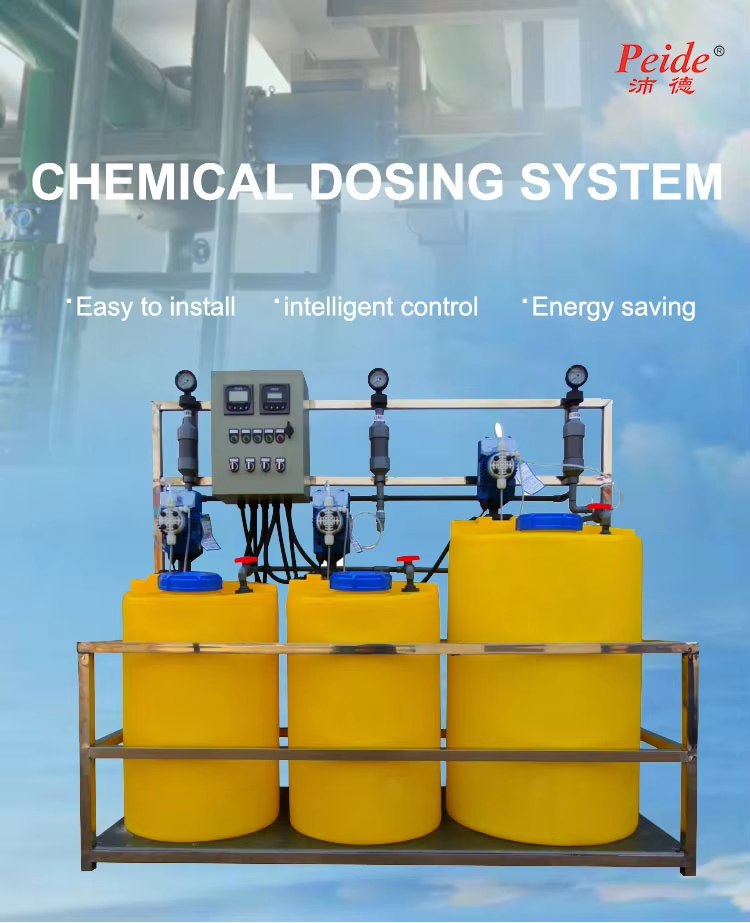
II. Automatic dosing deviceAutomatic dosing system Technological process of chemical dosing system

3.1 Corrosion inhibitor
Attributed to the toxicity and serious pollution of the nitrate and chromate of the traditional anodic inhibitor, it has been used less and less. The compound corrosion inhibitor of chemical dosing system from Peide Water Treatment Equipment Co.,Ltd adopt makes use of the mutual coordination between each ingredients of the compound corrosion inhibitor, especially the interaction between different molecules or ions in the absorbed layer, so it has improved the surface coating or formed a molecule layer. The interaction of the absorbents has not just improved the stability of the absorbed layer but also increased the inhibition effect of the compound corrosion inhibitor.
Dimension parameter data table for the chemical dosing system
Type | Volume of chemical tank | Dimension | Flow rate of circulating water | ||
L | Length (L) | Width (W) | height (H) | m³/h | |
One tank with One pump | 100 | 550 | 550 | 1250 | ≦300 |
One tank with One pump | 200 | 650 | 650 | 1440 | ≦300 |
One tank with One pump | 500 | 910 | 910 | 1650 | ≦20000 |
Two tank with Two pump | 1000 | 1140 | 1150 | 1800 | ≦20000 |
Two tank with Two pump | 200 | 1250 | 650 | 1440 | ≦5000 |
Two tank with Two pump | 500 | 1770 | 910 | 1650 | ≦20000 |
Three tank with Three pump | 1000 | 2250 | 1150 | 1800 | ≦30000 |
Three tank with Three pump | 200 | 1250 | 650 | 1440 | ≦5000 |
Three tank with Three pump | 500 | 1770 | 910 | 1650 | ≦20000 |
Three tank with Three pump | 1000 | 2250 | 1150 | 1800 | ≦30000 |
Three tank with Three pump | 200 | 1850 | 650 | 1440 | ≦5000 |
Three tank with Three pump | 500 | 2630 | 910 | 1650 | ≦20000 |
Three tank with Three pump | 1000 | 3350 | 1150 | 1800 | ≦30000 |
Note: 1. The quantity of chemical tank shall be subject to the categories of the dosing drug. (One chemical tank for one kind of drug)
2. The installation of agitating device shall be subject to the property of the drug.
3. The selection of the detector (PH, ORP, concentration detector, conductivity meter) shall be subject to the characteristics of the system.)
Automatic dosing deviceAutomatic dosing system Flocculant dosing
The HMM flocculant added into the water plays a role of bridging between two particles which will become larger into a large particle flocculating constituent, which is conducive to the precipitation of colloidal and particulate matter in water. So it is usually used before the quartz sand filter.
Chlorine disinfection
Chlorine is one of the most widely used disinfectants. It is very applicable and very effective for the deactivation of pathogenic microorganisms. Chlorine can be easily applied, measures and controlled. Is is fairly persistent and relatively cheap.
Chlorine has been used for applications, such as the deactivation of pathogens in drinking water, swimming pool water and wastewater
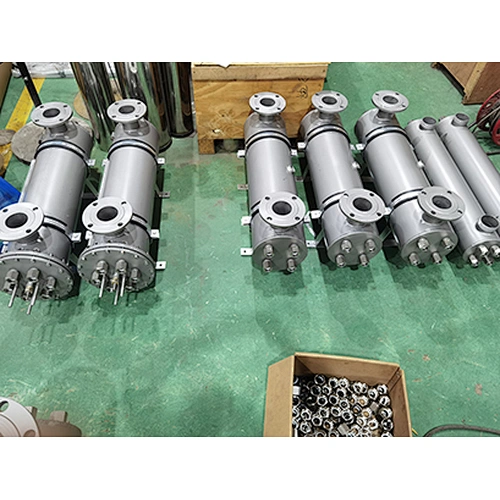
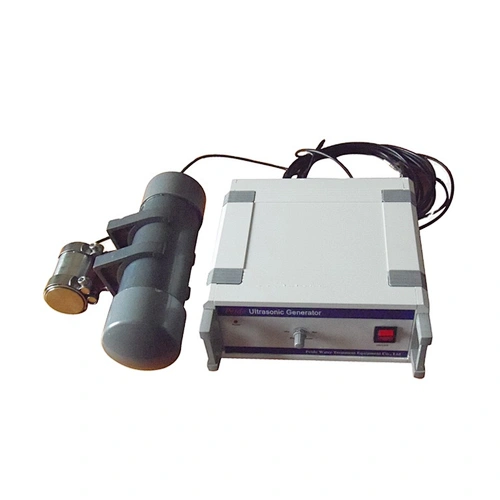
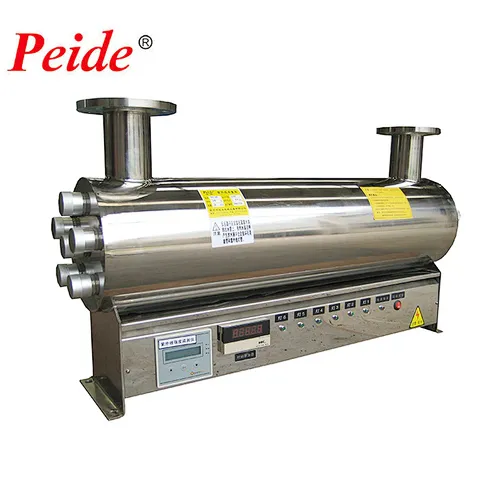
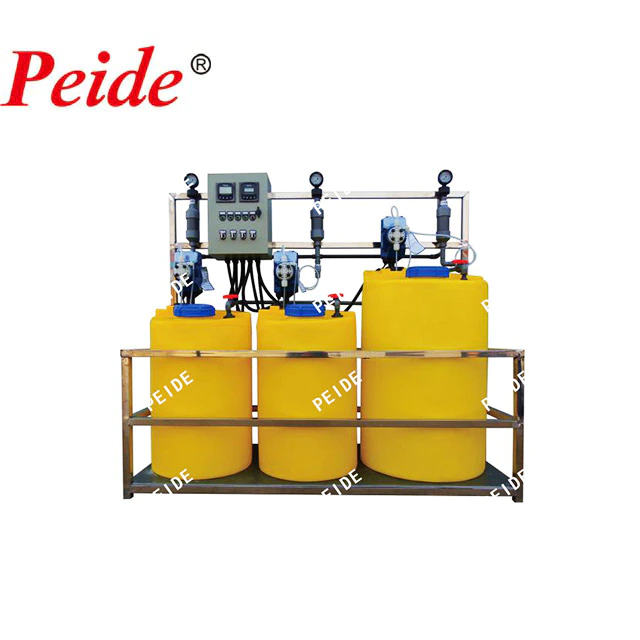
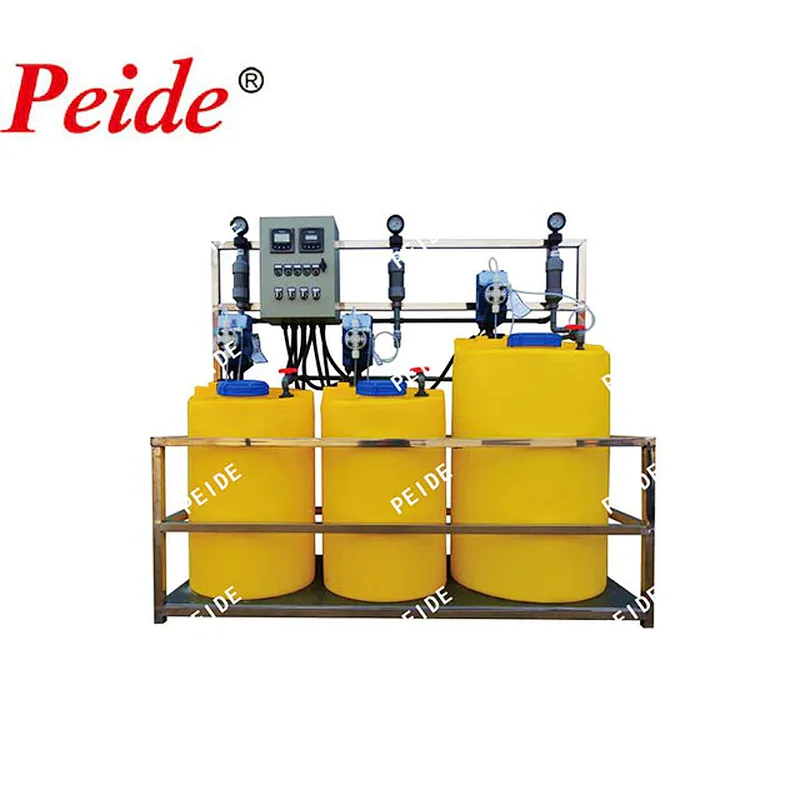
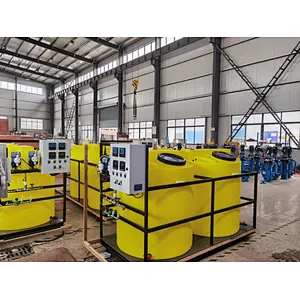
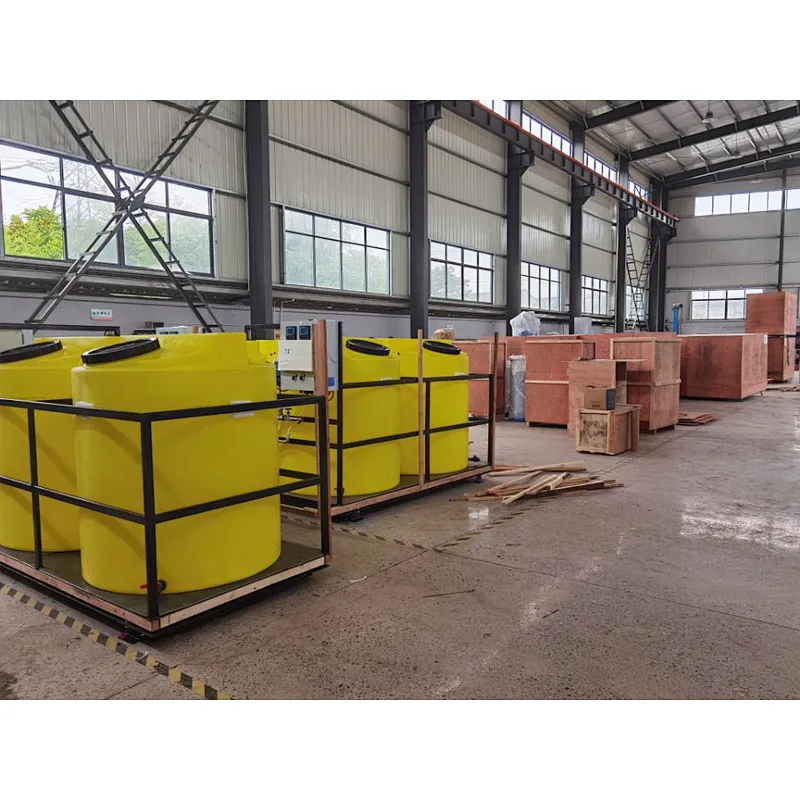
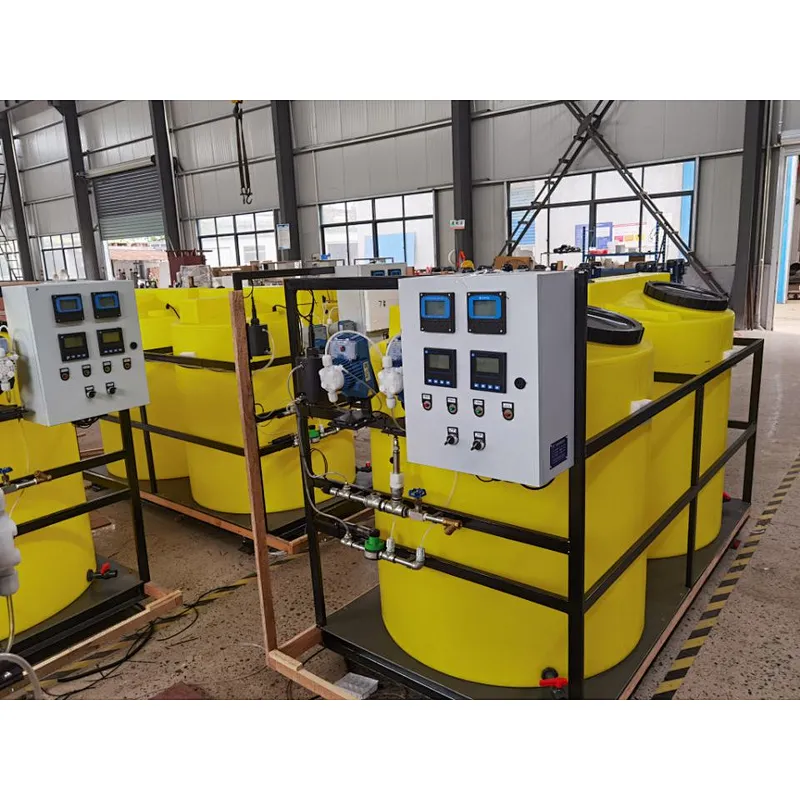
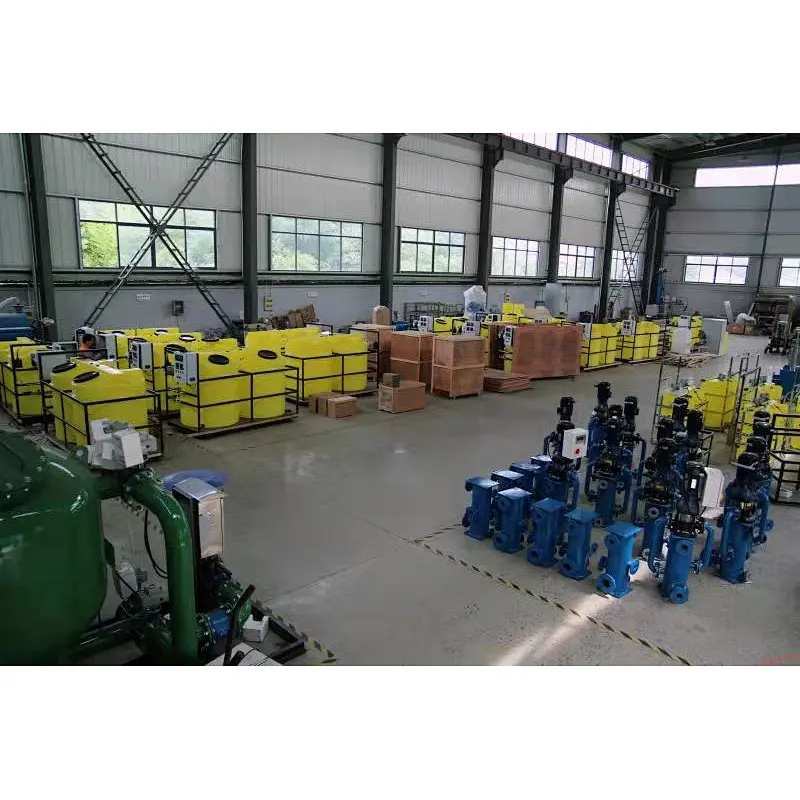
Image of chemical dosing system
Send Message
Related Products